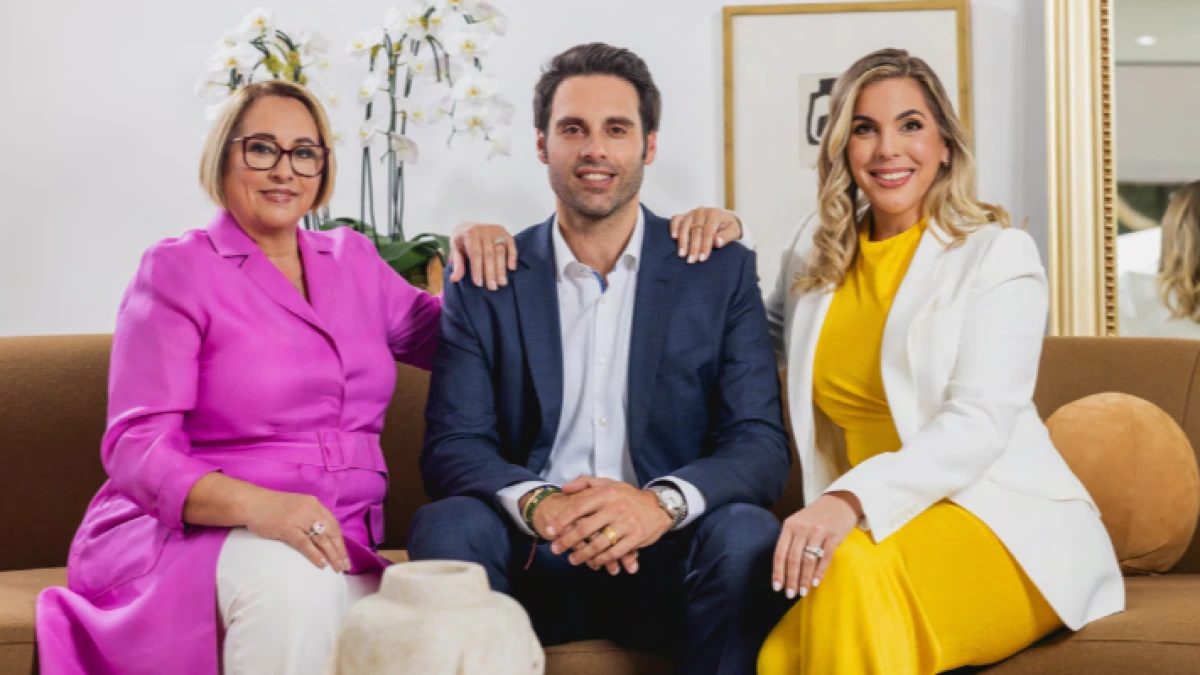
He Built a Miami Insurance Empire by Putting the Hispanic Community First
In a city that's 70% Hispanic, this entrepreneur built an insurance empire not by targeting the Latino community — but by actually understanding it from the inside.
In a city where nearly 70% of residents are Hispanic or Latino, the businesses that thrive long-term are often the ones that understood the community not as a demographic target but as a cultural home. The entrepreneur on this episode of A Day in Miami didn't build his insurance business at Miami's Latino community — he built it from inside it.
The Gap Nobody in the Industry Was Addressing
When our guest entered Miami's insurance industry, he saw a massive, underserved market of Hispanic residents — many of them first-generation immigrants, many with limited English, many navigating American financial systems for the first time — being failed by the existing industry. Language barriers were one piece. But cultural barriers were often bigger.
Insurance, at its core, is a trust business. That sale requires a relationship. And relationships require cultural fluency that goes beyond translation. Speaking Spanish wasn't enough — you had to understand the specific anxieties, priorities, and financial realities of Miami's Cuban, Colombian, Venezuelan, Nicaraguan, and Puerto Rican communities specifically.
That insight became his competitive moat.
Building the Business from the Community Up
The early years required hyper-local presence: community events, church partnerships, Spanish-language outreach, word-of-mouth built one satisfied family at a time. The referral network that emerged became the foundation of a genuinely scalable business.
In the Hispanic community, a recommendation from a trusted neighbor or family member carries enormous weight. When you earn that trust — by being honest, by explaining policies in plain language, by actually showing up when a claim needs to be filed — you don't just retain a customer. You gain their entire network.
What the Insurance Industry Still Gets Wrong About Miami Latinos
Even as Miami's Hispanic market has become impossible to ignore economically, the mainstream industry still makes persistent mistakes: generic Spanish-language marketing that fails to account for distinct cultures within the broader Latino identity, products not designed for multigenerational family structures, and customer service that defaults to English in moments of stress when clients need clarity most.
For Miami business owners and aspiring entrepreneurs, the lesson is broader than insurance. Any industry serving a majority-minority city like Miami that treats the Hispanic community as an afterthought is leaving money on the table.
Watch the full episode on YouTube for the full story.
Subscribe to A Day in Miami on Spotify and Apple Podcasts — because Miami's entrepreneurship stories deserve a platform.
¿Te gustó este artículo?
Compártelo con quien lo necesite
Escrito por
Eduardo
Periodista y creador de contenido en A Day in Miami. Cubre cultura, gastronomía y lifestyle en el sur de la Florida.


Seguir leyendo
Artículos recientes
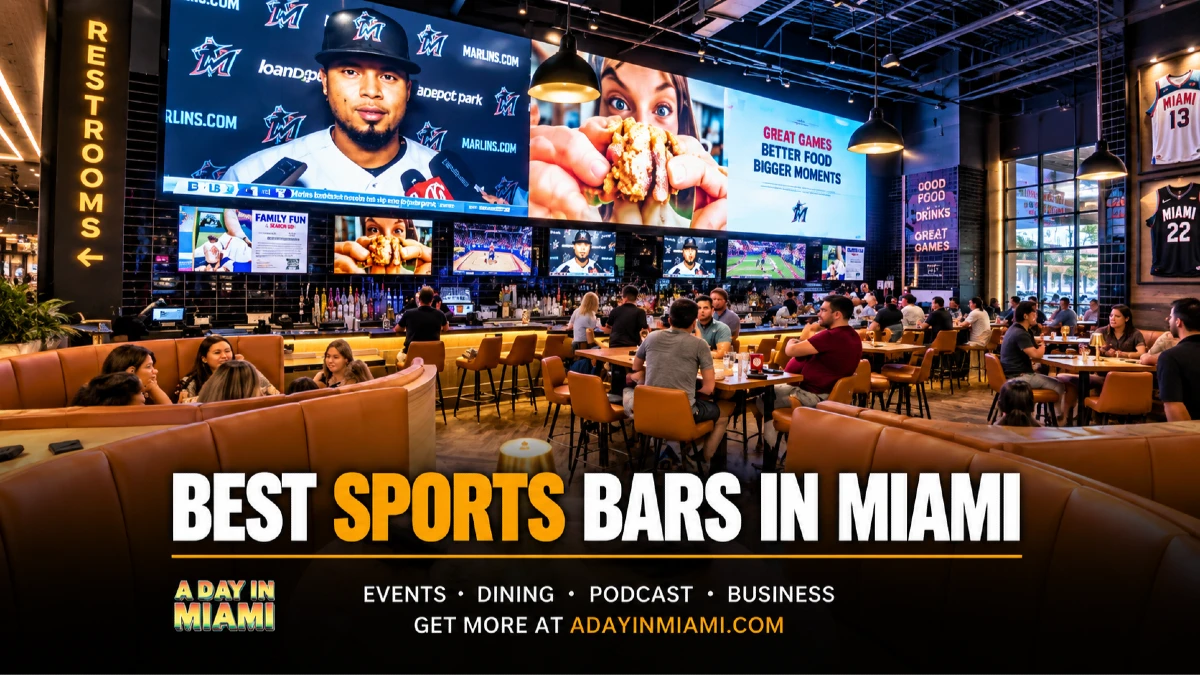
Best Sports Bars In Miami
A go to guide to Miami’s best sports bars for game day, from high energy spots to local favorites worth adding to your list. 🏈🍻 Save it for your next game and pick your spot!
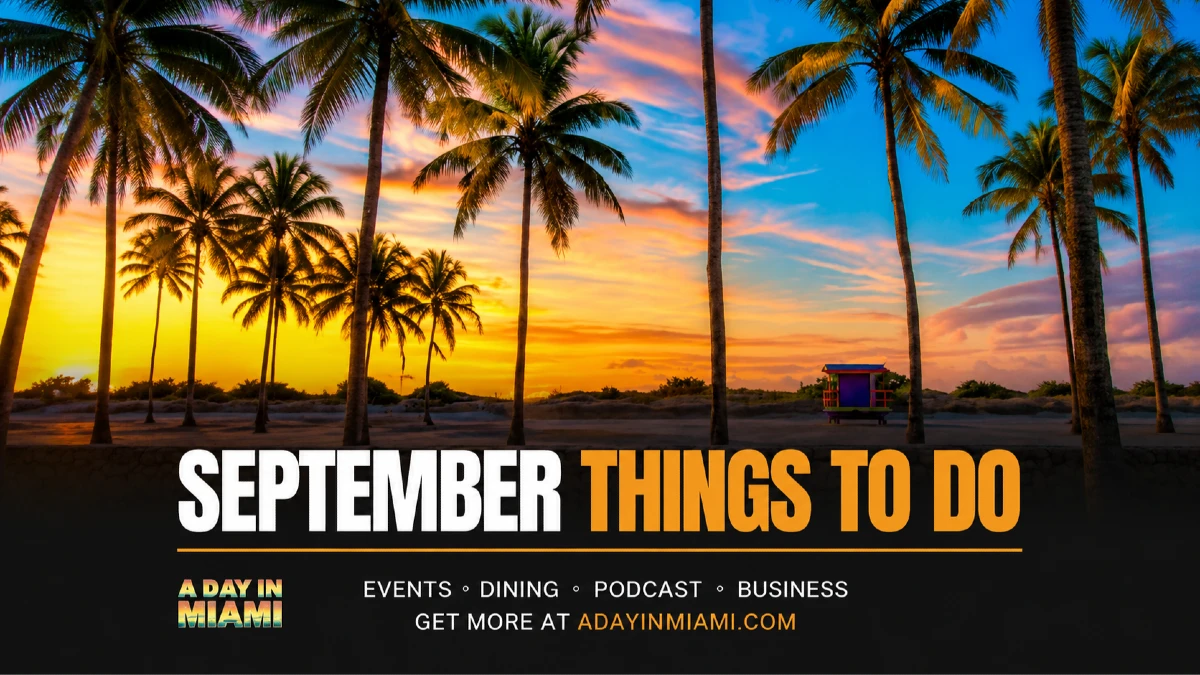
SEPTEMBER THINGS TO DO
🌴 September in Miami is full of ways to explore, eat, and experience the city. From local events and new dining spots to hidden gems and must-visit places, discover what’s happening around Miami this month and start planning your next adventure. ✨
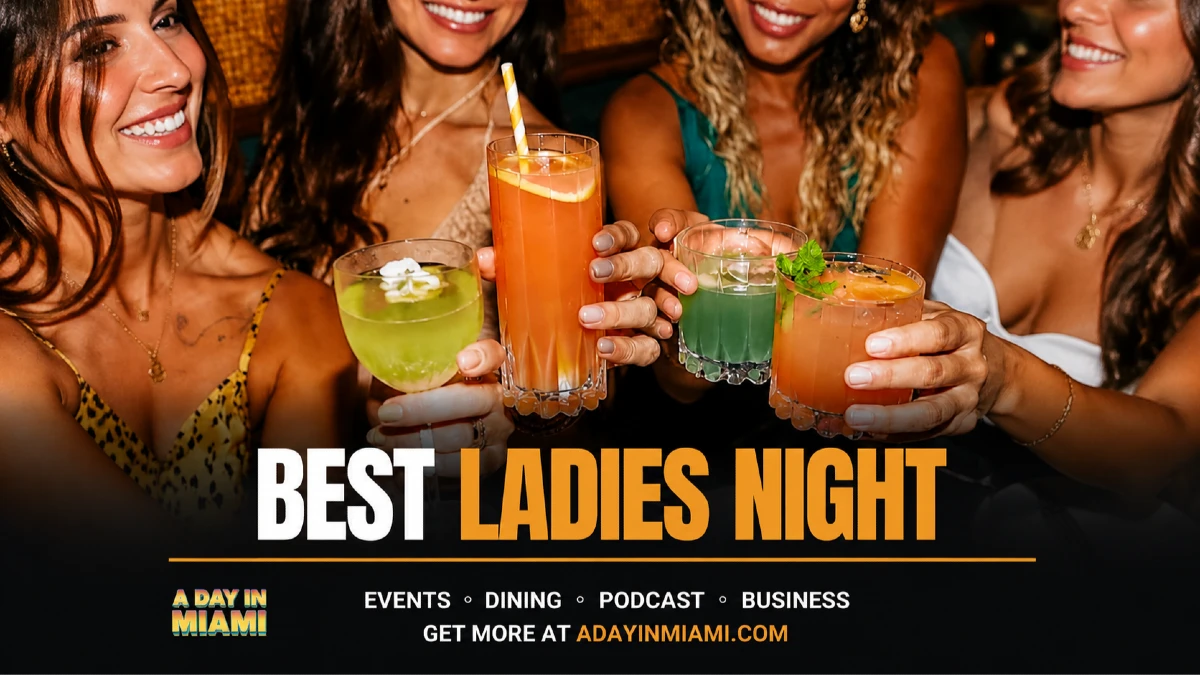
BEST LADIES NIGHT
🍸 Miami nights are made for good company, great drinks, and unforgettable moments. Discover the best ladies’ night spots around the city, from vibrant bars to stylish lounges perfect for catching up with friends, enjoying cocktails, and making memories. ✨
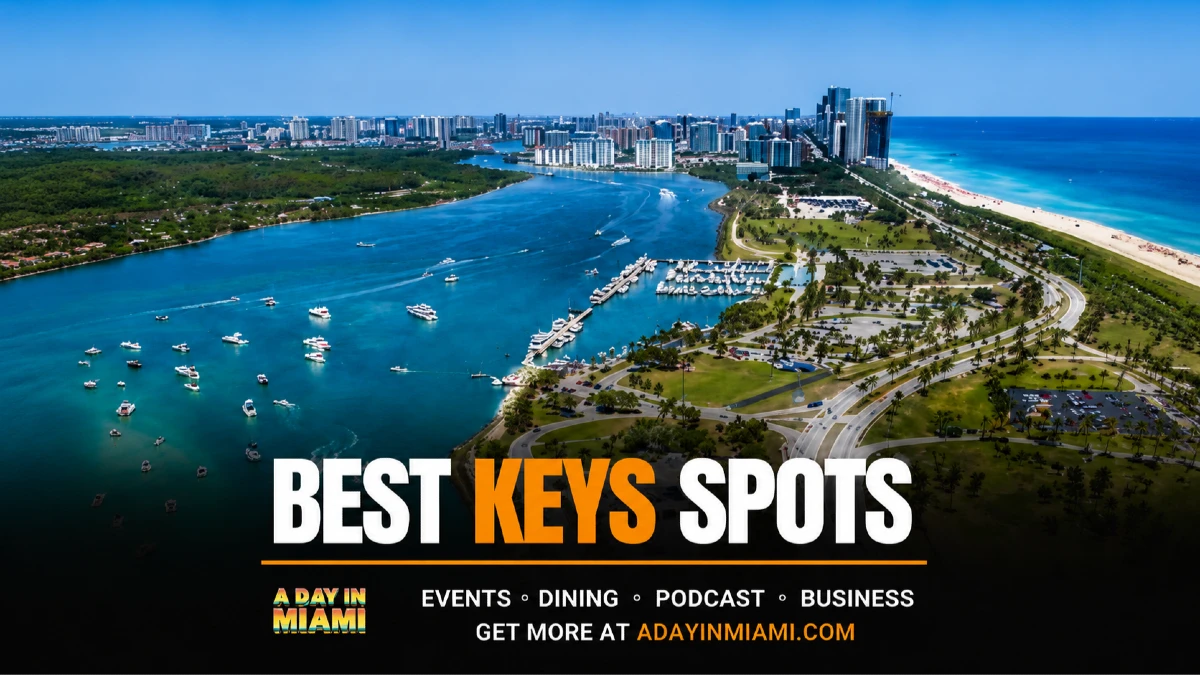
BEST KEYS SPOTS
🌴 Discover the best Key spots around Miami, from stunning waterfront views and island escapes to local favorites worth exploring. Whether you’re planning a weekend adventure or looking for your next hidden gem and food these destinations are perfect for soaking up the Miami lifestyle. ✨
business
Más sobre este tema
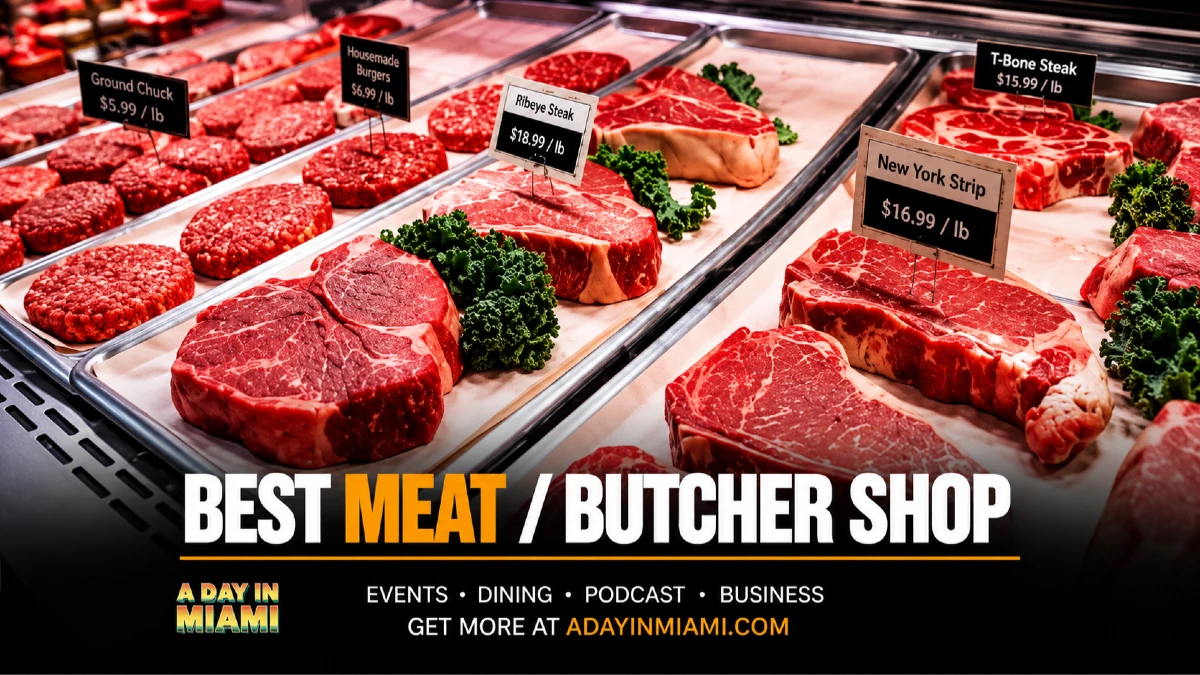
Best Meat Butcher Shops
Discover Miami’s top butcher shops, from premium cuts and specialty meats to local favorites every meat lover should know. 🥩
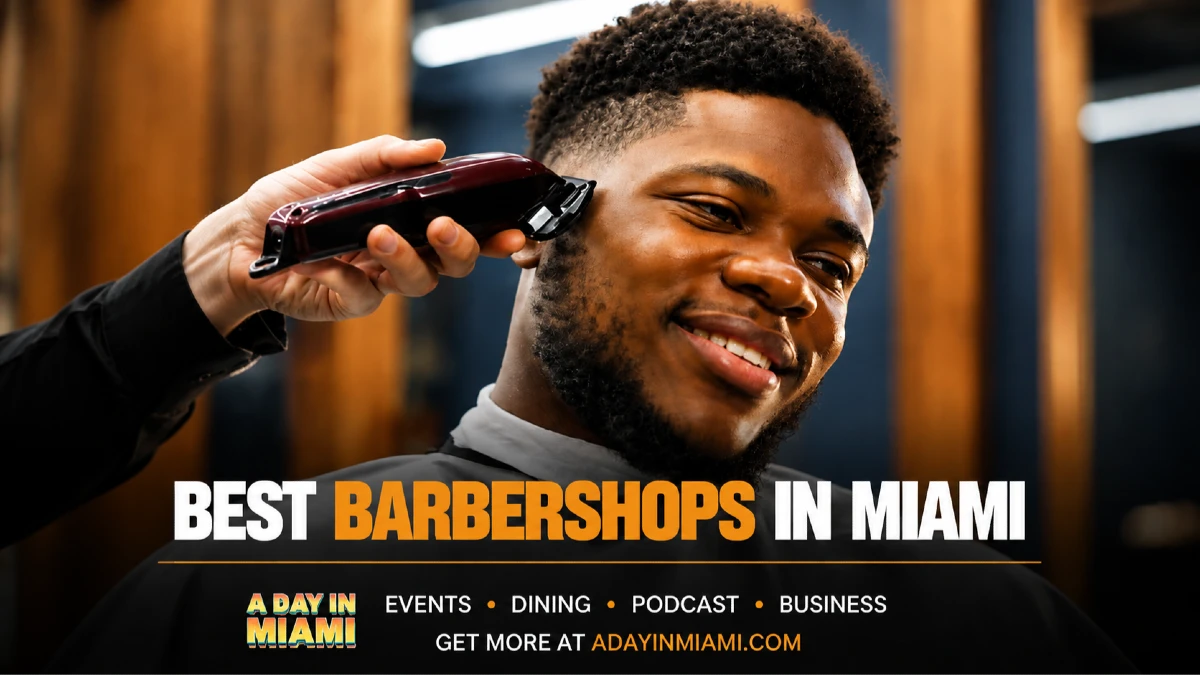
Best Barbershops in Miami
Miami is home to some of the best barbershops for fresh fades, classic cuts, beard trims, and premium grooming experiences. 💈 Whether you’re looking for a new go-to barber or a place to elevate your style, these spots are worth adding to your list. Save this guide for your next cut and discover your new favorite Miami barbershop. 🔥
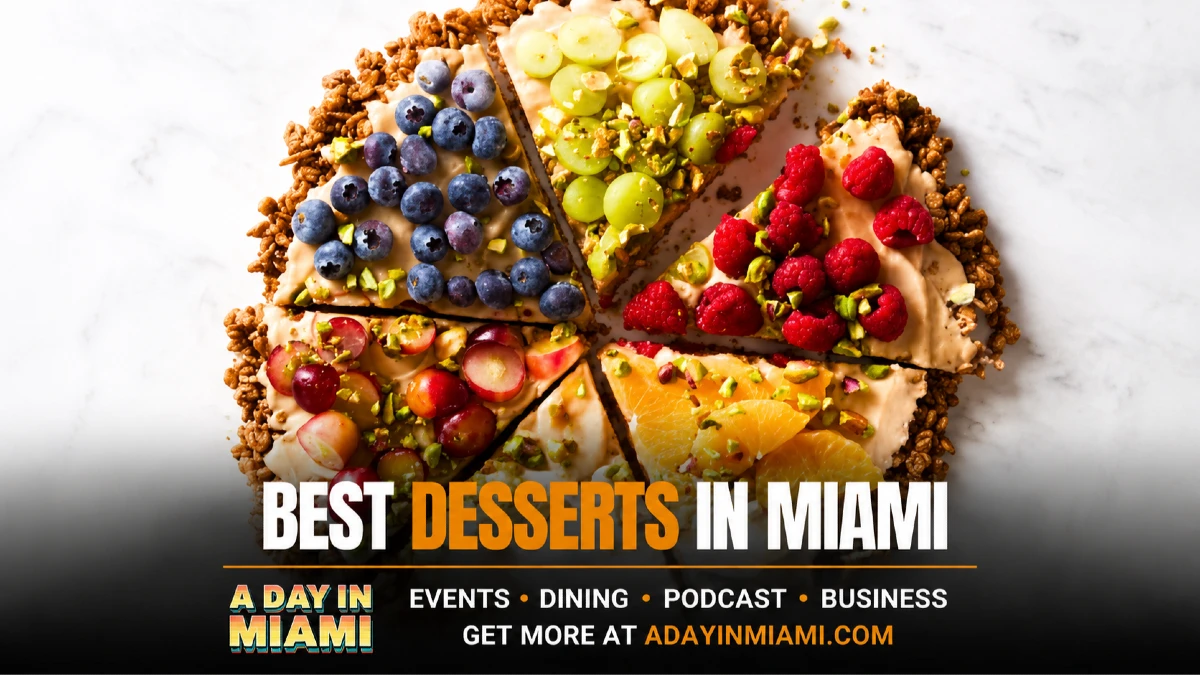
Best Dessert in Miami
Miami is a dessert lover’s dream 🍰✨ From handcrafted chocolates and gourmet paletas to iconic ice cream shops, bakeries, and beautifully designed pastries, these sweet spots are serving some of the best treats around the city. Save this list for your next dessert adventure and discover your new favorite indulgence. 🍦💕