Miami Is One of America's Top Human Trafficking Corridors — And the Community Is Fighting Back
Miami ranks among America's top human trafficking corridors — and on this episode of A Day in Miami, we had the most important conversation the show has ever produced.
Enjoyed this article?
Share it with someone who needs it
Written by
Eduardo
Journalist and content creator at A Day in Miami. Covers culture, gastronomy, and lifestyle across South Florida.



Keep reading
Recent Articles

Best Meat Butcher Shops
Discover Miami’s top butcher shops, from premium cuts and specialty meats to local favorites every meat lover should know. 🥩

SEPTEMBER THINGS TO DO
🌴 September in Miami is full of ways to explore, eat, and experience the city. From local events and new dining spots to hidden gems and must-visit places, discover what’s happening around Miami this month and start planning your next adventure. ✨

BEST LADIES NIGHT
🍸 Miami nights are made for good company, great drinks, and unforgettable moments. Discover the best ladies’ night spots around the city, from vibrant bars to stylish lounges perfect for catching up with friends, enjoying cocktails, and making memories. ✨

BEST KEYS SPOTS
🌴 Discover the best Key spots around Miami, from stunning waterfront views and island escapes to local favorites worth exploring. Whether you’re planning a weekend adventure or looking for your next hidden gem and food these destinations are perfect for soaking up the Miami lifestyle. ✨
culture

Best Sports Bars In Miami
A go to guide to Miami’s best sports bars for game day, from high energy spots to local favorites worth adding to your list. 🏈🍻 Save it for your next game and pick your spot!

Miami's New Mayor Eileen Higgins: A Bold Start in Leadership
In her first 100 days, Mayor Eileen Higgins has set an ambitious agenda for Miami, focusing on critical issues from housing to infrastructure.
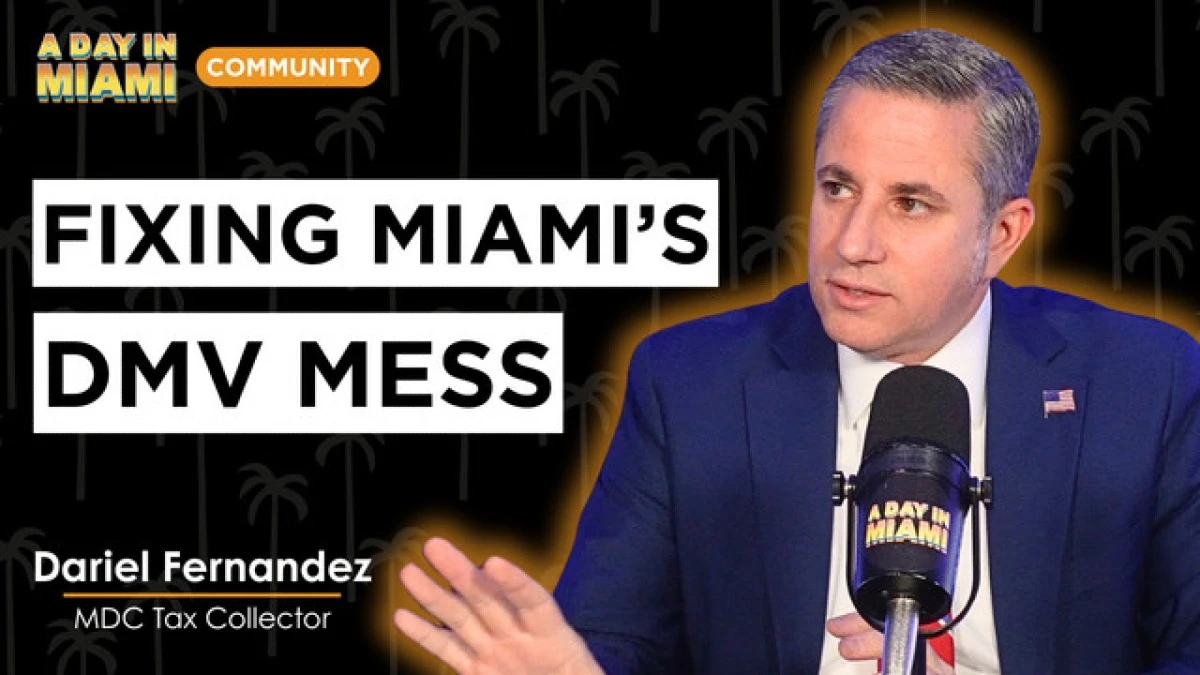
DMV Scams, Skyrocketing Property Taxes, and the Fight for Transparency in Miami-Dade County
From DMV fraud to property tax assessment fights, Miami-Dade County's accountability gaps affect every resident. Here's what you need to know — and what you can do about it.