How Skinny Louie went from one spot to 10 locations — featuring Gonzalo Rubino
Gonzalo Rubino brought Miami something it didn't have — a proper smashburger. And in just two years, Skinny Louie grew from a single Wynwood spot into 10 locations across Miami and New York City. In this episode of A Day in Miami, Gonzalo walks us through the full journey: from concept and branding to technique, philosophy, and the realities of scaling a food brand without losing what makes it special.
The beginning: a gap in Miami's food scene
When Rubino spotted the Skinny Louie opportunity, Miami didn't have a real smashburger restaurant. That wasn't a minor detail — it was the whole thesis. Being first in a market, especially in a food-obsessed city like Miami, carries real weight. He moved quickly, leaned into the concept, and set the foundation for what would become one of the city's most talked-about burger brands.
His background shaped his approach: entrepreneurial instincts over culinary tradition, with a focus on brand and experience as much as the product itself.
Branding: building a personality, not just a logo
The name Skinny Louie is intentional. It's quirky, memorable, and fits Wynwood without trying too hard. Rubino invested real thought into the brand identity — understanding that in a neighborhood of murals and creative energy, the visual and emotional identity of a restaurant is part of the product.
The result is a brand that feels independent and authentic even as it scales across multiple cities.
The smash: why technique is everything
The smashing technique is the heart of Skinny Louie. Pressing a ball of beef hard onto a screaming-hot flat top creates a caramelized crust — known as the Maillard reaction — that a regular patty simply can't replicate. The result is more flavor, more texture, and a cook time that actually works at scale.
Rubino explains how training staff to execute this consistently across every location is one of the non-negotiables of the brand. The technique isn't optional — it is the product.
Three burgers, one big philosophy
Skinny Louie has exactly three burgers on the menu. This isn't a budget constraint — it's a deliberate philosophy. Rubino talks about the decision with real conviction: focus creates quality, and restraint builds identity.
Key reasons behind the three-burger rule:
Easier to train staff and maintain consistency across locations
Fewer items means deeper mastery of each one
A short menu communicates confidence in the product
Reduces operational complexity at scale
Will they ever expand the menu? Rubino addresses the question head-on — and the answer says a lot about how he thinks about the brand long-term.
From Wynwood to New York: 10 locations in 24 months
The growth story is the most impressive part of this episode. Going from one location to ten — across two of the most competitive restaurant markets in the country — in just two years is aggressive by any measure.
Rubino walks through what that actually looks like:
Market research before each new opening
The strategic decision to expand into New York City
Managing operations, staffing, and quality across multiple kitchens
Keeping the Wynwood original energy alive as the brand gets bigger
Opening in NYC is a particular milestone. Competing in New York as a Miami brand — and holding your own — is validation that the concept travels.
Celebrity visits, Burger Bash, and the Louie sauce
Part of what separates Skinny Louie from just another good burger is the culture around it. Celebrity visits, a presence at Miami's Burger Bash, and a word-of-mouth following that grew organically all point to a brand that resonates beyond the food itself.
The Louie sauce has developed its own fanbase — enough that the question of bottling it has come up more than once. Rubino's answer on that front is one of the episode's more interesting moments.
On marketing: Rubino didn't follow a conventional playbook. The buzz was built through authenticity and experience rather than ad spend — a model that's harder to replicate but far more durable.
Managing growth without losing the soul
The central tension of any fast-growing hospitality brand is this: how do you scale without becoming generic? Rubino is candid about the challenge of managing 10 locations while protecting what made the original special.
His approach focuses on systems, culture, and an unwillingness to compromise on the things that actually define Skinny Louie — the smash, the sauce, the simplicity.
Competition and what's next
The smashburger category has grown significantly since Skinny Louie opened. More competitors have entered Miami, and the market looks very different today. Rubino's approach to competition is inward-focused — he'd rather win on execution than react to what others are doing.
More locations are coming. He previews what's ahead without giving everything away, but the trajectory is clear: Skinny Louie is still in growth mode.
How Wynwood has changed
The episode closes on a reflective note. Wynwood — the neighborhood that incubated Skinny Louie — has changed dramatically since the original location opened. Rents are higher, the crowd is different, and the type of business that can survive there has shifted. Rubino's perspective on how the neighborhood evolved, and what that means for a brand that was born there, adds real depth to the conversation.
Listen to the full episode
How Skinny Louie went from one spot to 10 locations
A Day in Miami Podcast · featuring Gonzalo Rubino
Whether you're a Miami food fan, a founder building something from scratch, or just someone who loves a great burger — this episode delivers. Catch it on YouTube or wherever you listen to podcasts.
Follow A Day in Miami
Stay connected for more conversations with Miami's top entrepreneurs, chefs, and community builders.
Instagram: @adayinmiami
Hosts: @mannyalfonso8 · @querikoconkiko · @mr_moya
Spotify: A Day in Miami
¿Te gustó este artículo?
Compártelo con quien lo necesite
Escrito por
Jason
Periodista y creador de contenido en A Day in Miami. Cubre cultura, gastronomía y lifestyle en el sur de la Florida.


Seguir leyendo
Artículos recientes
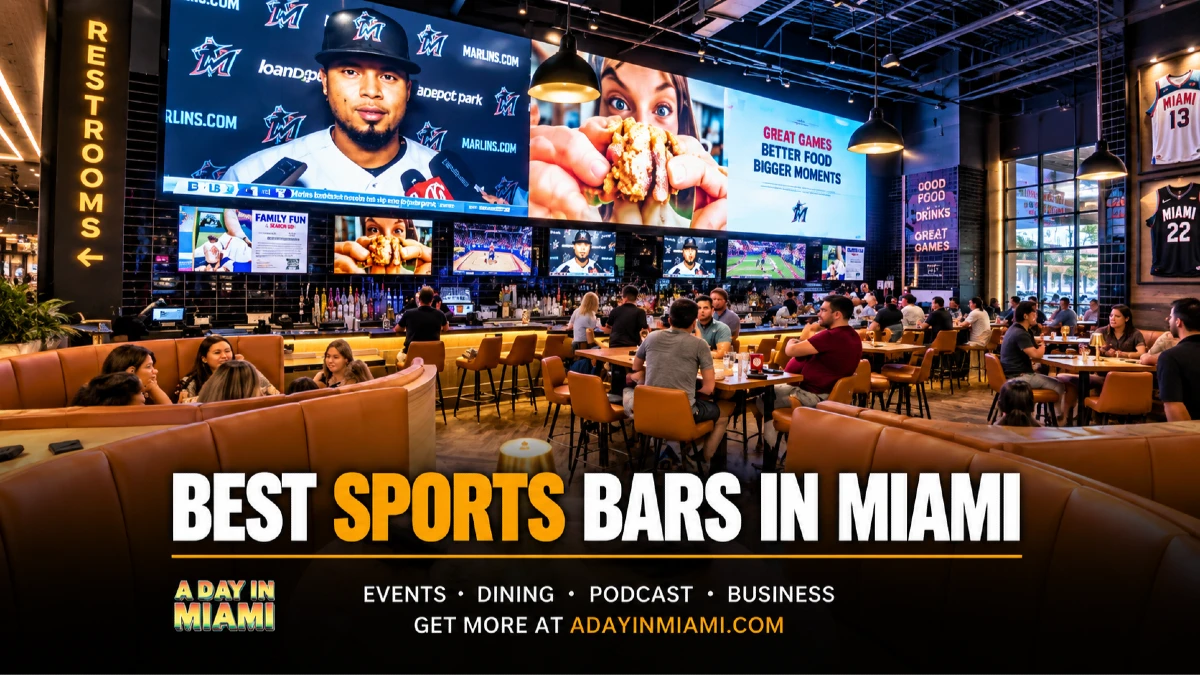
Best Sports Bars In Miami
A go to guide to Miami’s best sports bars for game day, from high energy spots to local favorites worth adding to your list. 🏈🍻 Save it for your next game and pick your spot!
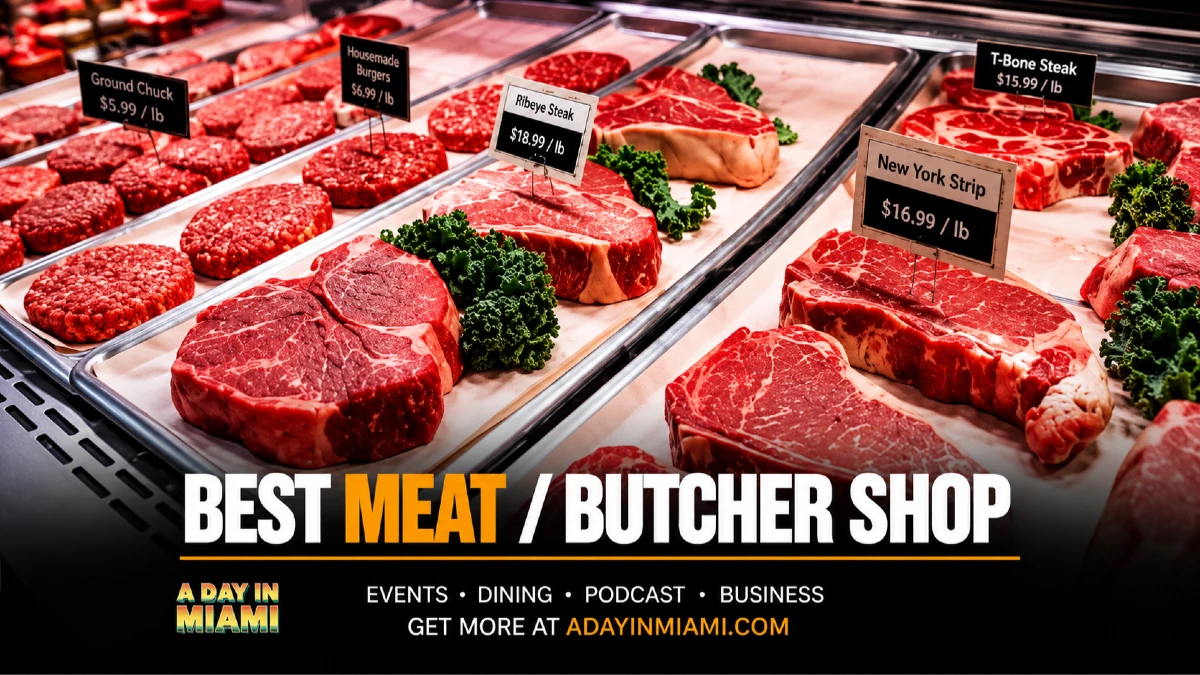
Best Meat Butcher Shops
Discover Miami’s top butcher shops, from premium cuts and specialty meats to local favorites every meat lover should know. 🥩
SEPTEMBER THINGS TO DO
🌴 September in Miami is full of ways to explore, eat, and experience the city. From local events and new dining spots to hidden gems and must-visit places, discover what’s happening around Miami this month and start planning your next adventure. ✨
BEST LADIES NIGHT
🍸 Miami nights are made for good company, great drinks, and unforgettable moments. Discover the best ladies’ night spots around the city, from vibrant bars to stylish lounges perfect for catching up with friends, enjoying cocktails, and making memories. ✨
Más sobre este tema
Best Pickleball Courts in Miami
🎾 Whether you’re looking for free public courts, competitive open play, or a full club experience, Miami has plenty of places to get a match in. From neighborhood parks to dedicated pickleball complexes, these spots offer some of the best places to play across Miami and Miami Beach. 🌴🔥
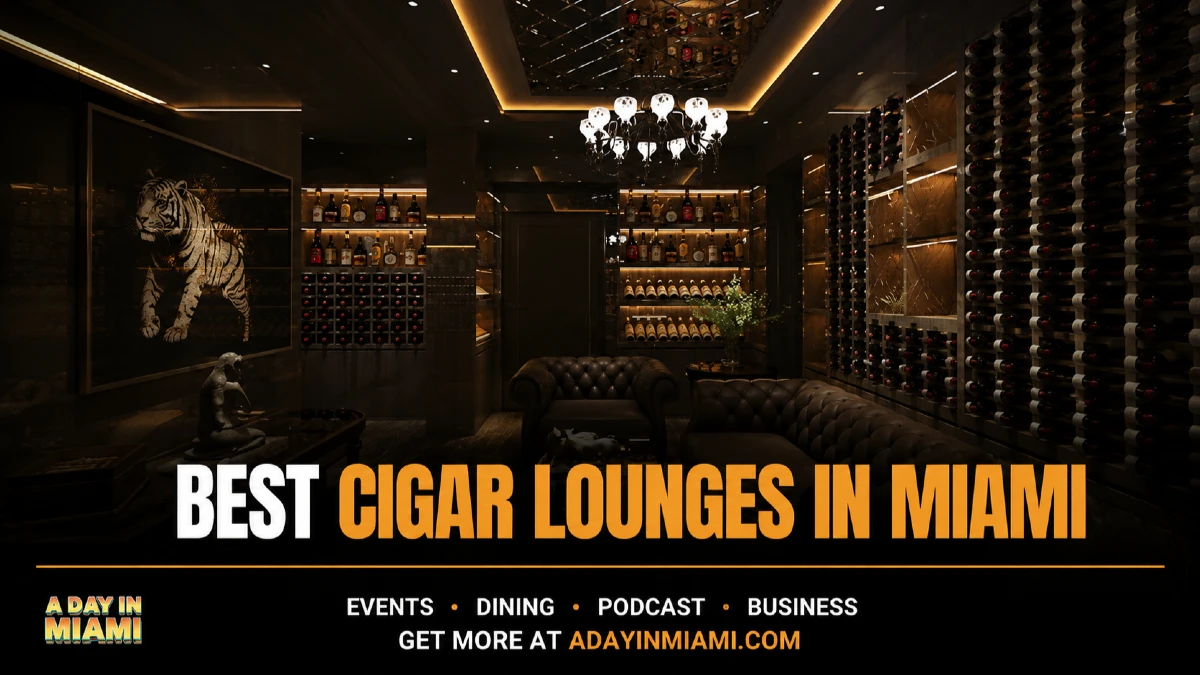
Best Cigar Lounges in Miami
🚬 Miami is home to an incredible mix of cigar lounges, from upscale cocktail spots to laid-back neighborhood favorites with impressive humidors and premium selections. 🥃🔥 Whether you’re looking for a smooth smoke, a late-night lounge, or a relaxed place to unwind with friends, these spots offer some of the best cigar experiences across Miami, Miami Beach, Coral Gables, Doral, and beyond. 💨🌴
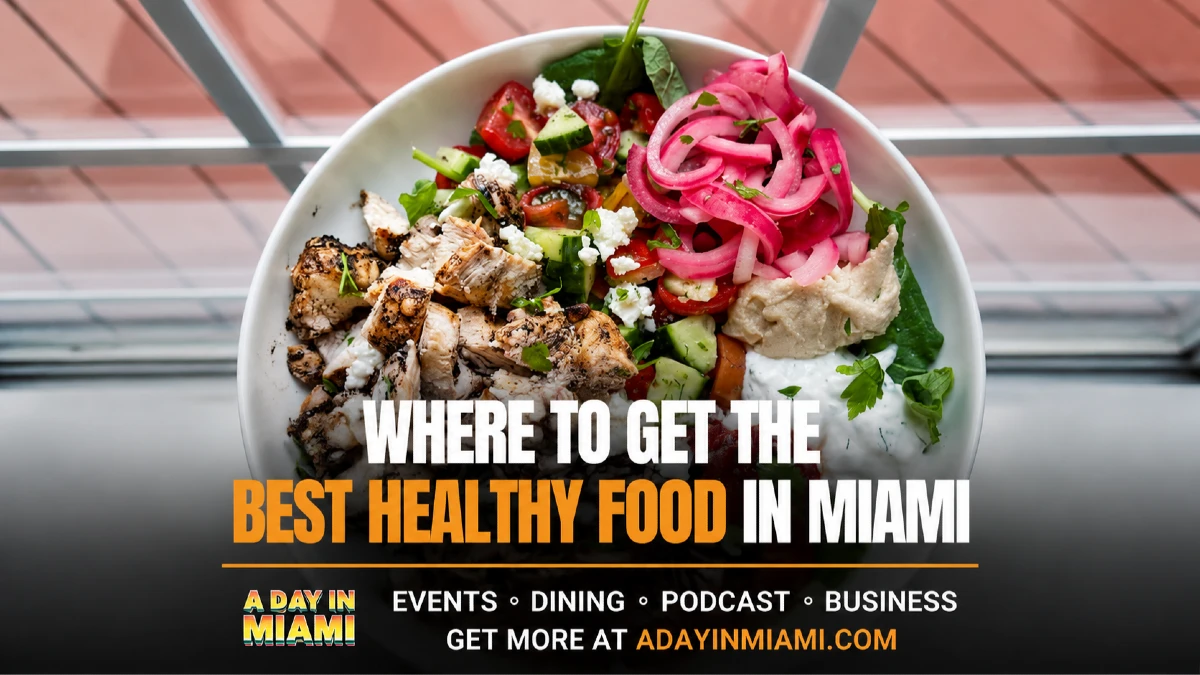
WHERE TO GET THE BEST HEALTHY FOOD IN MIAMI
🥗 From fresh salads and colorful bowls to protein-packed plates and plant-based favorites, discover some of Miami’s best healthy food spots serving nutritious meals without sacrificing flavor. 🌱✨