Miami Is One of America's Top Human Trafficking Corridors — And the Community Is Fighting Back
Miami ranks among America's top human trafficking corridors — and on this episode of A Day in Miami, we had the most important conversation the show has ever produced.
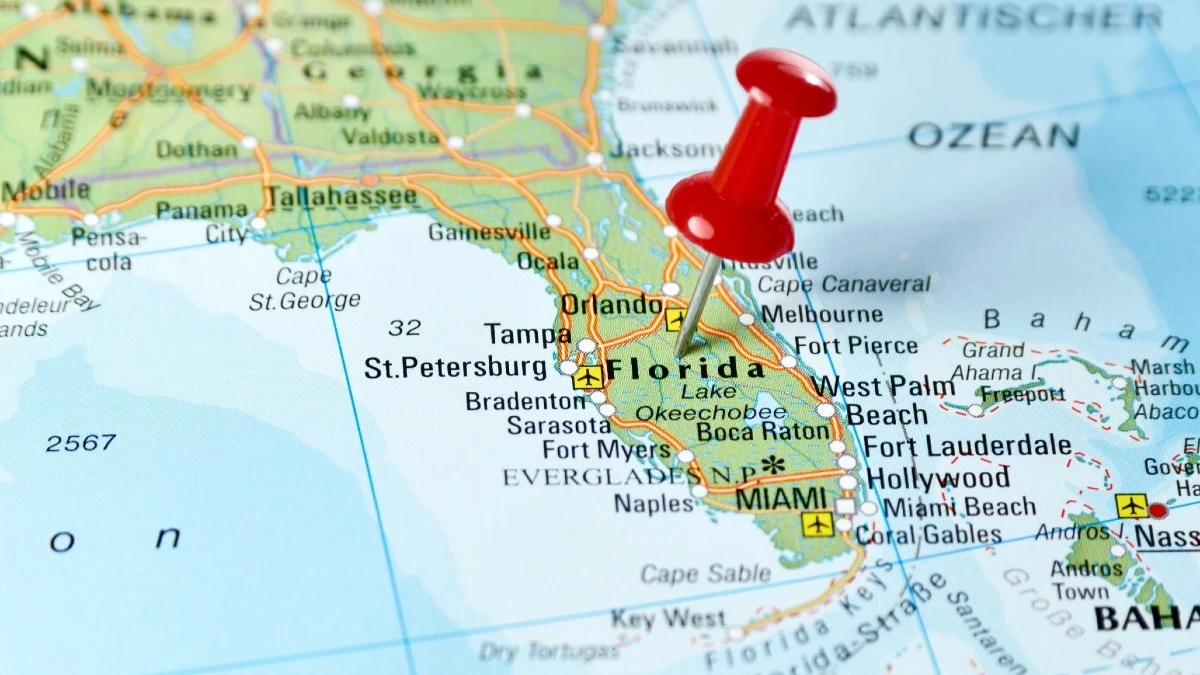
Miami doesn't talk about this enough. The city's identity as a global tourism and entertainment destination, its massive port, its dense international transit infrastructure, and the economic desperation that underlies its glamorous surface — all of it makes South Florida one of the most significant human trafficking corridors in the United States.
On this episode of A Day in Miami, we had the most important conversation the show has produced. An advocate on the front lines of anti-trafficking work in Miami sat down to talk about the scope of the problem, what the community is doing, and what every Miami resident needs to know.
The Reality of Human Trafficking in South Florida
Florida consistently ranks in the top five states for reported human trafficking cases, and Miami-Dade is the epicenter within the state. The types of trafficking that concentrate here reflect Miami's specific characteristics: sex trafficking tied to the tourism and entertainment economy, labor trafficking in agriculture, hospitality, construction, and domestic work, and transit trafficking through Miami International Airport and PortMiami.
The victim profile is not what most people imagine. While trafficking disproportionately affects runaways, foster youth, and undocumented immigrants, it also touches people from stable backgrounds targeted through manipulation and false job promises. In Miami's international environment, the deception is particularly sophisticated.
What Advocates Are Doing — And What Works
Survivor-centered programming — led by people with lived experience of trafficking — produces better outcomes than services designed without survivor input. Miami has several organizations doing this work effectively, providing trauma-informed care, legal assistance, housing stability, and long-term economic support for survivors.
Hospitality industry training has been another meaningful lever. Miami's hotels and venues are required in Florida to train employees on recognizing trafficking indicators. The National Human Trafficking Hotline (1-888-373-7888) is a resource every Miami business operating in high-traffic spaces should have posted visibly.
How Miami's Communities Can Show Up
What ordinary Miami residents can do: learn to recognize warning signs (isolation, someone else controlling a person's ID, scripted answers to simple questions, signs of physical abuse), report suspicions through proper channels without attempting to intervene directly, support survivor-serving organizations, and vote for local leadership that funds anti-trafficking infrastructure.
Community connection is itself a form of prevention. Traffickers specifically target people who are isolated from community support.
Resources: National Human Trafficking Hotline — 1-888-373-7888 (call or text) | Text "HELP" to 233733
Watch the full episode on YouTube.
Subscribe to A Day in Miami on Spotify and Apple Podcasts.
¿Te gustó este artículo?
Compártelo con quien lo necesite
Escrito por
Eduardo
Periodista y creador de contenido en A Day in Miami. Cubre cultura, gastronomía y lifestyle en el sur de la Florida.


Seguir leyendo
Artículos recientes

Best Meat Butcher Shops
Discover Miami’s top butcher shops, from premium cuts and specialty meats to local favorites every meat lover should know. 🥩
SEPTEMBER THINGS TO DO
🌴 September in Miami is full of ways to explore, eat, and experience the city. From local events and new dining spots to hidden gems and must-visit places, discover what’s happening around Miami this month and start planning your next adventure. ✨

BEST LADIES NIGHT
🍸 Miami nights are made for good company, great drinks, and unforgettable moments. Discover the best ladies’ night spots around the city, from vibrant bars to stylish lounges perfect for catching up with friends, enjoying cocktails, and making memories. ✨
BEST KEYS SPOTS
🌴 Discover the best Key spots around Miami, from stunning waterfront views and island escapes to local favorites worth exploring. Whether you’re planning a weekend adventure or looking for your next hidden gem and food these destinations are perfect for soaking up the Miami lifestyle. ✨
culture
Más sobre este tema
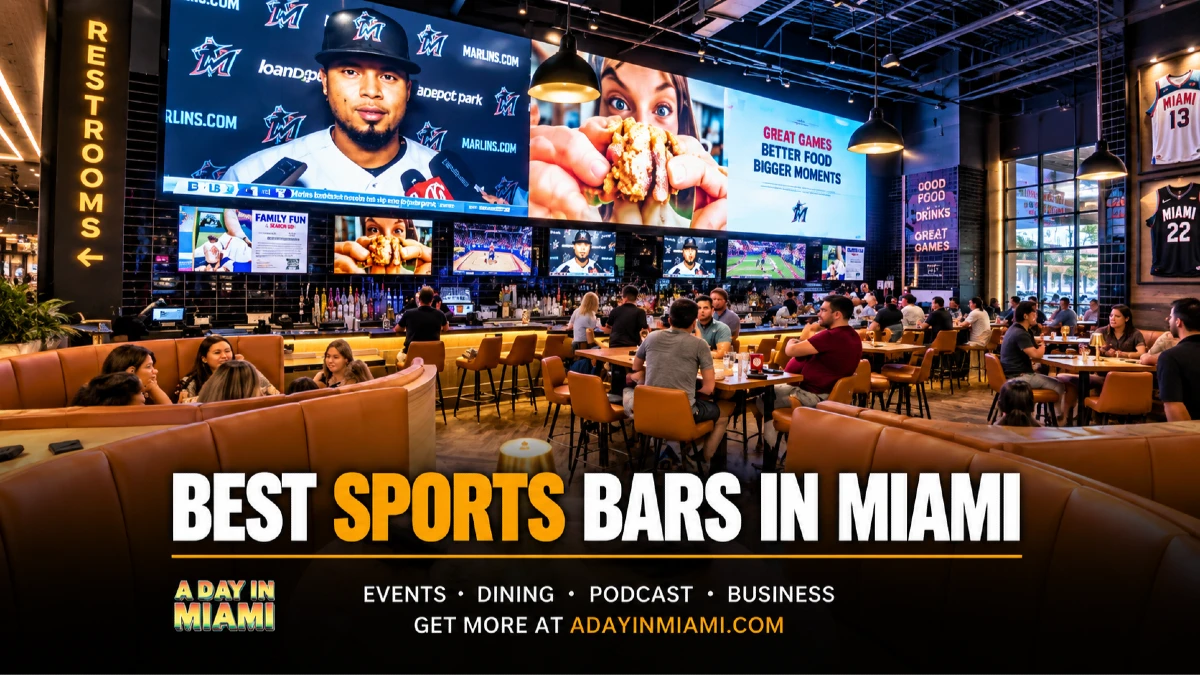
Best Sports Bars In Miami
A go to guide to Miami’s best sports bars for game day, from high energy spots to local favorites worth adding to your list. 🏈🍻 Save it for your next game and pick your spot!

Miami's New Mayor Eileen Higgins: A Bold Start in Leadership
In her first 100 days, Mayor Eileen Higgins has set an ambitious agenda for Miami, focusing on critical issues from housing to infrastructure.
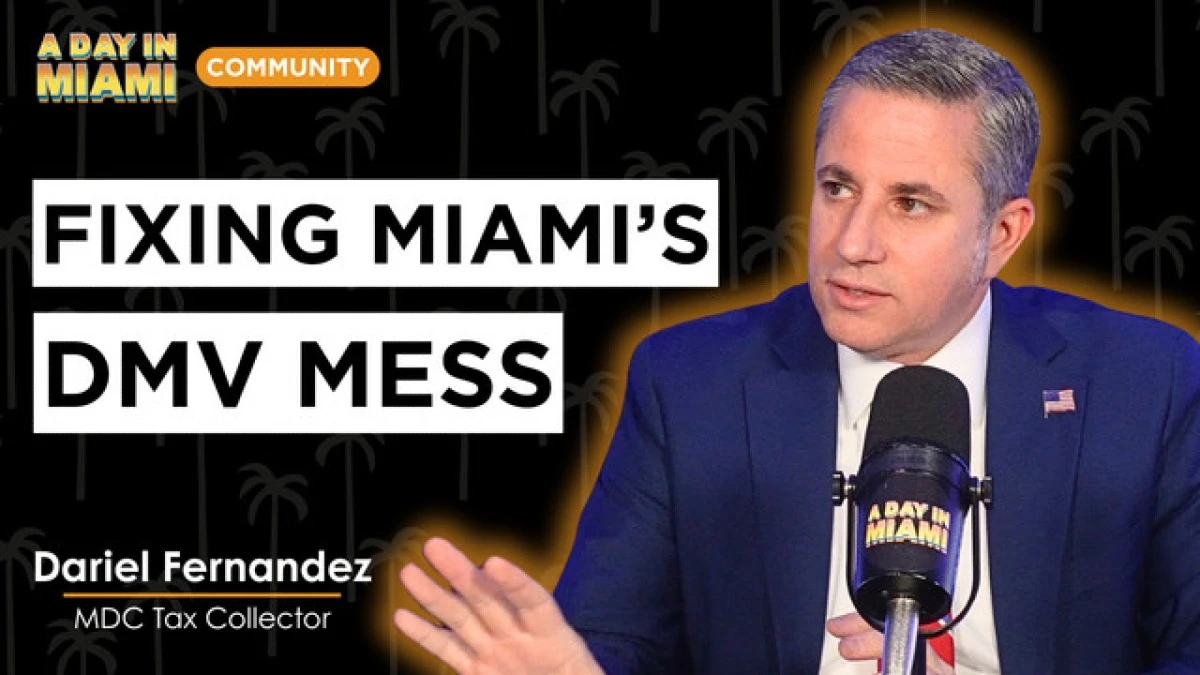
DMV Scams, Skyrocketing Property Taxes, and the Fight for Transparency in Miami-Dade County
From DMV fraud to property tax assessment fights, Miami-Dade County's accountability gaps affect every resident. Here's what you need to know — and what you can do about it.